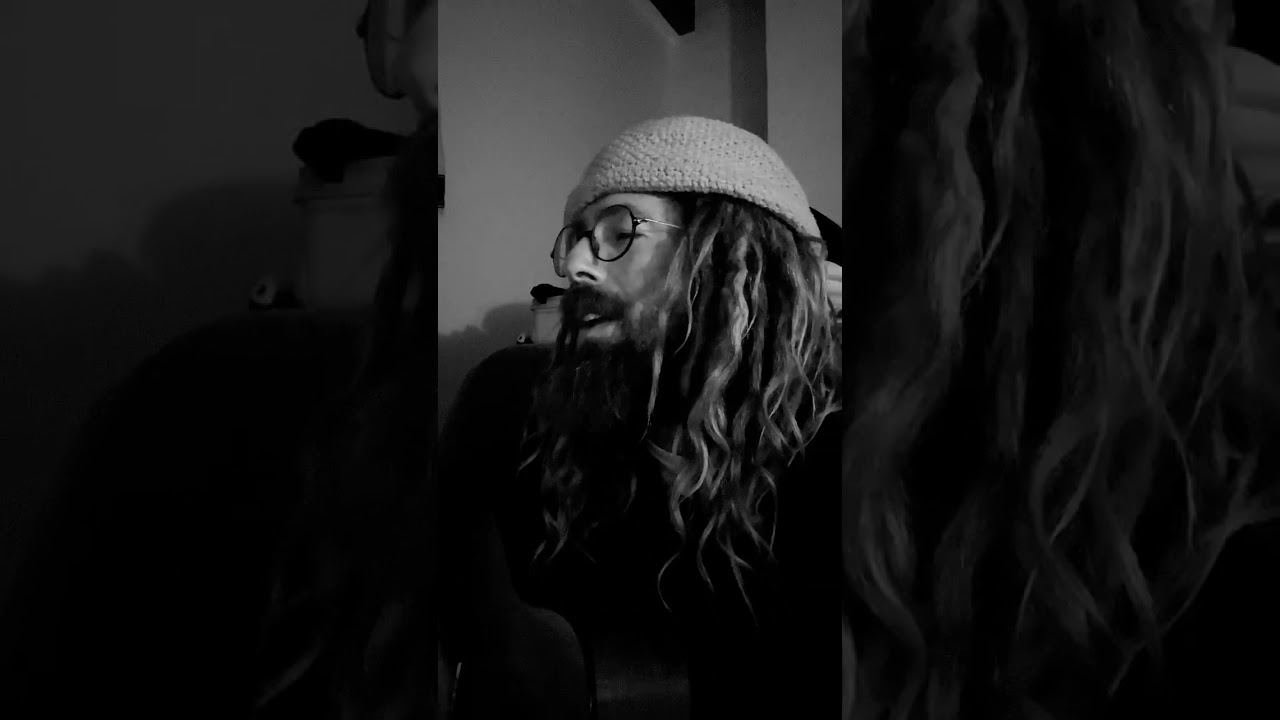
TLDR: In this short tour moment filmed during the One Family Tour through Germany, Netherlands, and Belgium, Sam Garrett performs a live excerpt of "Salam Alekum" at Paradiso in Amsterdam, framing the act of singing together as a spiritual practice rooted in ancient wisdom traditions. The talk emphasizes that gathering to sing mantras serves a dual purpose: to enjoy and have fun, but more fundamentally, to remember humanity's deeper purpose and send vibrations of peace, love, justice, and unity into the world.
Why Do We Gather to Sing Together?
At the heart of Garrett's performance is a simple but profound question about intention. When we gather for kirtan—the call-and-response chanting and singing found across Hindu, Buddhist, and Sufi traditions—we are not merely assembling for entertainment, though enjoyment is certainly part of the experience. Rather, there is something "much deeper" at work, as Garrett describes it (0:05–0:13). The act of singing together becomes a vehicle for remembering our place in the cosmos and reconnecting with the reason we came to this planet in the first place.
This framing draws directly from what Garrett identifies as a universal message embedded in the world's great ancient wisdom teachings. Across religious and spiritual traditions—Christianity, Islam, Judaism, Buddhism, Hinduism, and others—the core message has been repeated "again and again and again" (0:22–0:24). It is not a teaching unique to one culture or time period, but a through-line connecting humanity's deepest wisdom across millennia. By singing together, participants tap into that timeless current.
What Is the Purpose of Sending Vibrations Into the World?
The song performed at Paradiso is not merely a musical event; it is framed as a conscious act of transmission. Garrett and the assembled singers aim to "sing this song together and send this vibration of peace, of love, of justice, togetherness, unity into this world" (0:24–0:34). This language reveals a belief that intention, combined with the resonance of human voices in unison, has a tangible spiritual and social effect.
The concept of "vibration" here operates on multiple levels. At the most immediate level, sound vibrates the air and bodies of listeners. At a subtler level, in yogic and Sufi philosophy, sound carries consciousness and intention. The words themselves—peace, love, justice, togetherness, unity—are not abstract ideals but energetic frequencies that practitioners consciously amplify through group vocalization. The audience's enthusiastic response at the end (0:113s) suggests a palpable recognition of this shared intention.
How Does the Lyrical Content Reflect Spiritual Warnings?
The performance includes two distinct vocal sections, each with different emotional and didactic weight. The first section, "I wake up in the morning, I know we all want to see the sunrise" (0:38–0:45), offers an inviting, almost universal anchor point—the simple desire to witness a new day. It is inclusive and celebratory, aligning listeners with a common human aspiration.
The second section shifts tone. The chorus "Don't be fooled. Don't be led astray. Oh, don't be fooled by the evil way" (0:88–0:106) introduces a cautionary, almost prophetic dimension. Here the song moves from invitation into warning. The repetition of "don't be fooled" and "evil way" suggests that maintaining consciousness and discernment is part of spiritual practice. This is consistent with many wisdom traditions that teach the importance of discriminating wisdom (viveka in Sanskrit) and remaining vigilant against ignorance, delusion, or harm.
The interspersed chanting of "Shalom" (0:67–0:86), the Hebrew word for peace and wholeness, grounds the song in a specific spiritual lineage while the Arabic "Salam Alekum" (the song's title) means "peace be upon you"—a traditional Islamic greeting. By weaving Hebrew and Arabic together, the performance models the interfaith unity that the lyrics and intention explicitly advocate.
Where Does This Performance Fit in the Broader One Family Tour?
This excerpt is part two of the One Family Tour, a traveling performance series that moved through Germany, the Netherlands, and Belgium. The choice of Paradiso in Amsterdam—a legendary venue with a history of hosting artists and movements oriented toward consciousness, community, and social awareness—is significant. Garrett is not performing in a concert hall or commercial venue alone, but in a space understood to be aligned with broader values of peace and cultural exchange.
The "mini episode" format suggests that these tour moments are being documented and shared beyond the live audience, extending the vibration of the gathering to viewers who cannot attend in person. In this way, the recorded performance continues to serve the stated intention: to send peace, love, and justice into the world through technology and media as well as direct assembly.
What Ancient Wisdom Is Garrett Referring To?
While Garrett does not name specific texts or teachers in this excerpt, the reference to "all the great ancient wisdom teachings of humanity" (0:15–0:20) invokes a tradition of perennialism—the philosophical view that all major spiritual traditions share a common core truth beneath their different cultural expressions. This idea was articulated in modern form by figures like Aldous Huxley and Huston Smith, but it echoes back to medieval Sufi teachers and Vedantic philosophers who recognized the unity of divine message across forms.
In kirtan and bhakti practice specifically—the devotional singing traditions of India that have influenced contemporary world music and spiritual performance—this core message is understood as the call to remember the divine (often framed as God, consciousness, or ultimate reality) and to cultivate love, surrender, and community in response. The integration of Hebrew, Arabic, and English in the performance reflects this universalist approach: the message transcends linguistic and cultural boundaries.
Where to Go From Here
For those interested in exploring Sam Garrett's work further, his music and tour schedule can be found at samgarrettmusic.com. His recordings are available on Bandcamp (samgarrett.bandcamp.com), and he maintains active social media presence on Instagram (@samgarrettmusic), Facebook, and YouTube (@SamGarrettMusic). The One Family Tour represents an ongoing effort to bring these teachings and musical practices to audiences across Europe and beyond.
If this excerpt resonates, consider exploring kirtan practice more deeply through local chanting groups, recorded albums, or retreats. The intersection of ancient wisdom, musical practice, and conscious community is alive and active in contemporary spiritual culture, and venues like Paradiso continue to host these gatherings. The act of singing together for peace remains both a personal spiritual practice and a form of collective activism aligned with the world's wisdom traditions.