What is Kirtan?
Kirtan is a participatory form of devotional chanting rooted in the Hindu bhakti (devotional) tradition, though also practiced in Sikhism and some Buddhist lineages. The word itself means “to repeat” or “to recite,” and the practice consists of singing the names of the divine—most commonly Sanskrit mantras invoking Hindu deities like Krishna, Rama, Shiva, or the Divine Mother—in a call-and-response format led by a kirtan leader or group of musicians. Unlike silent meditation or individual prayer, kirtan is inherently communal and musical, relying on repetition, melody, and rhythm to open the heart and quiet the discursive mind.
Origins & Lineage
The roots of kirtan reach back to the Vedic period (c. 1500–500 BCE), when chanting was central to ritual and scriptural recitation, but the practice as we recognize it today emerged during the bhakti movement that swept across India between the 7th and 17th centuries CE. Bhakti saints like Chaitanya Mahaprabhu (1486–1534) in Bengal and Mirabai (c. 1498–c. 1547) in Rajasthan popularized ecstatic public chanting as a direct, egalitarian path to God, accessible to all castes and genders—a radical departure from the Brahmanical orthodoxy of temple worship and ritualism. Chaitanya is particularly credited with codifying sankirtana (congregational chanting) as a central spiritual practice, spreading the Hare Krishna maha-mantra throughout Bengal and Odisha.
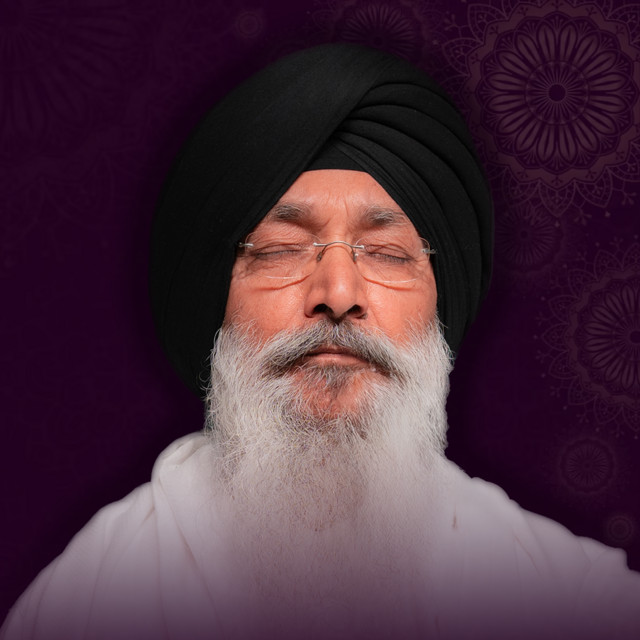
In Punjab, the Sikh Gurus—especially Guru Nanak (1469–1539) and his successors—incorporated kirtan into Sikh worship, using hymns from the Guru Granth Sahib set to classical ragas. This tradition, distinct from Hindu kirtan, remains central to Sikh gurdwara services today. Meanwhile, in the Vaishnava, Shaiva, and Shakta Hindu traditions, kirtan evolved alongside temple music and home devotion, drawing from classical Indian ragas and folk melodies.
How It’s Practiced
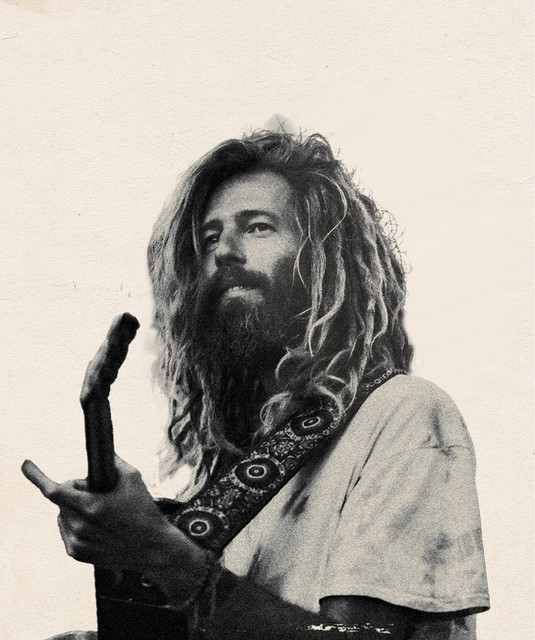
Kirtan unfolds as a musical dialogue. A leader (often called a kirtankar or kirtan wallah) sings a line—typically a mantra such as “Om Namah Shivaya” or “Hare Krishna, Hare Rama”—and the group repeats it back. The chant begins slowly and may gradually accelerate, building in intensity and volume. Traditional instruments include the harmonium (a hand-pumped reed organ introduced to India during the British colonial period), tabla or mridangam (drums), kartals (hand cymbals), and occasionally string instruments like the sitar or tanpura. Western kirtan often incorporates guitar, bass, and percussion.
Participants may sit on the floor, clap, sway, or even dance. Eyes may be open or closed. The emphasis is on feeling and surrender rather than musical precision; no prior experience or “good voice” is required. Sessions typically last 30 minutes to several hours, sometimes culminating in silent meditation.
Kirtan Today
Kirtan spread to the West in the late 1960s and 1970s through figures like Swami Satchidananda, Yogi Bhajan (who brought Sikh kirtan to America), and members of the International Society for Krishna Consciousness (ISKCON), founded by A.C. Bhaktivedanta Swami Prabhupada in 1966. By the early 2000s, Western kirtan had evolved into a recognized genre, blending traditional Indian melodies with folk, rock, and world music aesthetics. Artists like Krishna Das, Jai Uttal, Deva Premal, and Snatam Kaur have released widely distributed recordings and lead workshops at yoga studios, festivals, and retreat centers globally.
Today, seekers encounter kirtan at yoga studios, dedicated kirtan circles, spiritual centers, and events like Bhakti Fest. Recordings are available on streaming platforms, and virtual kirtans became widespread during the COVID-19 pandemic. Many participants have no formal religious affiliation and are drawn to the practice as a form of sound healing, community connection, or moving meditation.
Common Misconceptions
Kirtan is not performance music; the goal is participation, not entertainment. While some kirtan leaders are accomplished musicians, the practice values sincerity over technical skill. It is also not a monolithic tradition—Hindu, Sikh, and Buddhist kirtans differ in language, melodies, theological context, and ritual structure. Western “yoga kirtan” often simplifies or secularizes the practice, sometimes stripping away its devotional roots in favor of therapeutic or community-building language. Traditional practitioners may view this adaptation with ambivalence.
Kirtan does not require belief in Hindu or Sikh theology to participate, though understanding the meaning of the mantras—many of which invoke specific deities or theological concepts—enriches the experience. It is also not synonymous with bhajan (devotional song), which is typically performed rather than chanted responsively, though the terms are sometimes used interchangeably in casual contexts.
How to Begin
The most direct entry is attending a live kirtan. Many yoga studios host weekly or monthly sessions; search for “kirtan near me” or check BrightStar Events for kirtan leaders and events. For home practice, recordings by Krishna Das (Live on Earth, 1997) or Snatam Kaur (Grace, 2004) offer accessible starting points. The book Chanting: Discovering Spirit in Sound by Robert Gass provides historical and practical context. Begin with simple, short mantras like “Om Namah Shivaya” or “Hare Krishna,” repeating them aloud or silently for 5–10 minutes, allowing the rhythm and repetition to quiet mental chatter. Remember: the point is not to “get it right” but to show up with an open heart.