The Paradox of Belonging: Finding Home Within
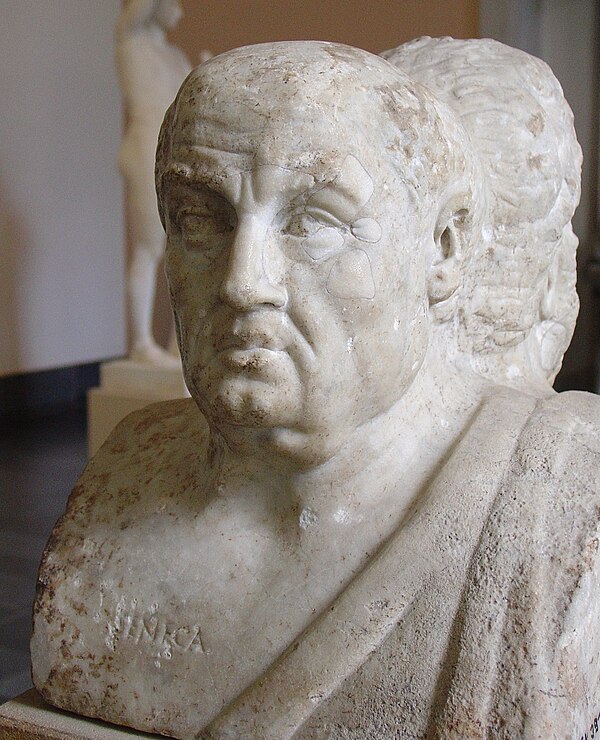
Seneca's poignant observation, "He who is everywhere a stranger is at home nowhere," speaks to the profound human yearning for belonging and the disquiet of feeling out of place. This quote encapsulates the essence of our search for connection, highlighting the existential struggle that arises when we find ourselves adrift in a world that often feels foreign. The stakes are high; without a sense of home, we risk losing our grounding, our identity, and ultimately, our peace of mind.
In a world increasingly characterized by mobility and transience, Seneca's words resonate deeply. They invite us to reflect on the nature of home—not merely as a physical space but as a state of being. The challenge lies in cultivating a sense of belonging that transcends geographical boundaries and societal constructs. This exploration of belonging is not just a personal quest; it is a universal theme that speaks to the heart of what it means to be human.
The image / the metaphor
At first glance, Seneca's quote conjures a vivid image of a wanderer, perpetually on the move, yet never finding solace. The choice of the word "stranger" evokes feelings of isolation and disconnection, while "home" suggests a sanctuary of comfort and familiarity. The juxtaposition of these two states—the stranger and the home—creates a palpable tension that invites us to consider the emotional landscape of our own lives. It is a reminder that physical presence does not guarantee emotional or spiritual belonging.
Diving deeper into the metaphor, we can see that being a "stranger" is not solely about physical displacement; it also speaks to the inner experience of alienation. One can inhabit a space yet feel estranged from it, highlighting the complexity of human relationships and our intrinsic need for connection. This metaphor extends beyond the individual, suggesting that communities, too, can feel like strangers to one another, emphasizing the importance of fostering understanding and empathy in our interactions.
In the speaker's tradition
Seneca, a prominent Stoic philosopher, invites us to explore the concept of belonging through the lens of Stoicism, which emphasizes the importance of inner peace and self-sufficiency. In Stoic thought, the idea of "home" can be likened to the notion of "ataraxia," a state of serene calmness that arises from within, regardless of external circumstances. This internal home is cultivated through the practice of virtue, self-reflection, and the acceptance of what lies beyond our control, echoing the teachings found in other traditions such as Buddhism's concept of "sunyata," or emptiness, which encourages a detachment from worldly attachments.
In his "Letters," Seneca often reflects on the nature of the self and the importance of aligning one's life with reason and virtue. For instance, in Letter 2, he discusses the value of focusing on one's inner life rather than being swayed by external opinions or societal pressures. This emphasis on self-awareness and personal integrity serves as a foundation for finding true belonging, suggesting that when we cultivate a strong sense of self, we can create a home within ourselves, regardless of our external circumstances.
Living the teaching
Consider a modern scenario where this teaching resonates: a person who frequently moves for work, feeling like a perpetual outsider in each new city. Despite the excitement of new experiences, they grapple with loneliness and a sense of disconnection. In this context, Seneca's quote serves as a poignant reminder that true belonging cannot be found in external locations but must be cultivated within. By engaging in practices such as mindfulness, community involvement, or even journaling, one can begin to establish a sense of home that transcends physical space.
Another application of this teaching might arise in the context of relationships. Imagine a couple who, despite living together, often feel like strangers due to unresolved conflicts and uncommunicated feelings. Here, the quote highlights the importance of fostering intimacy and understanding to create a shared sense of home. By prioritizing open communication and vulnerability, they can transform their relationship from one of estrangement to one of deep connection, illustrating that belonging is as much about emotional presence as it is about physical proximity.
A reflection
As we contemplate Seneca's insight, we are invited to ask ourselves: In what ways do I feel like a stranger in my own life, and how can I cultivate a sense of home within myself? This question encourages us to explore the dimensions of our existence—our relationships, our environments, and our inner landscapes. By reflecting on our experiences of belonging and alienation, we can begin to understand the pathways that lead us back to ourselves, ultimately finding peace and connection in the spaces we inhabit.




Join the BrightStar Community
Stay connected with daily inspiration, event announcements, and community wisdom