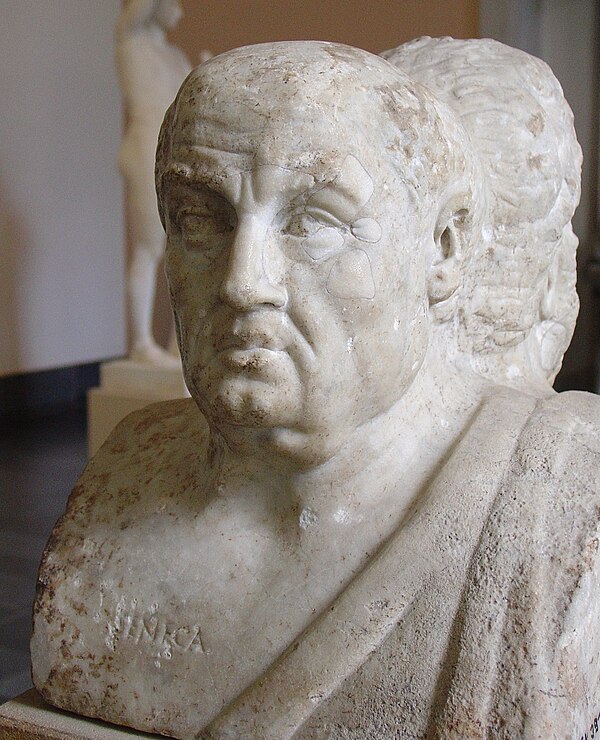
The Universal Friend: A Stoic Perspective on Humanity
Seneca's assertion that "such a man is a friend to all mankind" invites us to reflect on the nature of friendship and its broader implications for human connection. This statement, nestled within the rich tapestry of Stoic philosophy, challenges us to consider the qualities that define true friendship. It urges us to transcend the limitations of personal relationships and embrace a more universal approach to our interactions with others. In a world often marked by division and isolation, this perspective holds profound significance, reminding us of our shared humanity.
To understand the depth of Seneca's wisdom, we must delve into the essence of friendship as he perceives it. This is not merely a call to be amiable or to cultivate a network of acquaintances; rather, it is an invitation to embody virtues that foster genuine connections with all people. By recognizing the interconnectedness of our lives, we can cultivate a spirit of compassion and understanding that extends beyond the confines of our immediate circles. This teaching resonates deeply in our contemporary context, where the challenges of modern life can often lead to disconnection and alienation.
The image / the metaphor
At its core, Seneca's quote evokes a vivid image of a person whose heart and mind are open to all of humanity. The phrase "a friend to all mankind" suggests an expansive, inclusive love that transcends personal biases and societal boundaries. The choice of the word "friend" implies a deep, abiding connection, one that is rooted in mutual respect and understanding. This imagery invites us to envision a world where individuals actively seek to uplift and support one another, fostering a sense of belonging that is essential for human flourishing.
Diving deeper into the metaphor, we can see that Seneca is not merely advocating for a superficial friendliness; he is calling for a profound commitment to the well-being of others. This kind of friendship requires us to cultivate virtues such as empathy, kindness, and integrity. It challenges us to look beyond our own needs and desires, to recognize the struggles and joys of others as our own. In this way, the metaphor of friendship becomes a powerful lens through which we can view our responsibilities to one another and the world at large.
In the speaker's tradition
Seneca's philosophy is deeply rooted in Stoicism, a tradition that emphasizes the importance of virtue and the interconnectedness of all beings. Central to Stoic thought is the concept of cosmopolitanism, which posits that all humans are part of a single community governed by reason and virtue. This idea resonates with the notion of dharma in Eastern philosophies, where one's duty extends beyond the self to encompass the welfare of all beings. By recognizing our shared humanity, we align ourselves with the Stoic ideal of living in accordance with nature and reason.
In his letters, Seneca often reflects on the nature of virtue and its role in fostering meaningful relationships. For instance, in "Letters to Lucilius," he emphasizes that true friendship is grounded in virtue rather than mere affection. This aligns with the Stoic belief that our relationships should be guided by reason and moral integrity, rather than fleeting emotions. By cultivating virtues that promote the common good, we can embody the essence of being a friend to all mankind, thus enriching our own lives and the lives of those around us.
Living the teaching
Consider a modern scenario where this teaching can take root: a workplace environment marked by competition and individualism. In such a setting, one might choose to embody Seneca's wisdom by actively supporting colleagues, offering assistance, and celebrating their successes. By fostering a culture of collaboration rather than rivalry, one can transform the workplace into a community where everyone feels valued and connected. This approach not only enhances personal relationships but also contributes to a more harmonious and productive environment.
Another application of this teaching can be found in our personal relationships, particularly during challenging moments. Imagine a conflict with a friend or family member, where emotions run high and misunderstandings abound. By embracing the Stoic principle of being a friend to all mankind, one can approach the situation with empathy and a willingness to understand the other person's perspective. This commitment to virtue over ego can pave the way for reconciliation and deeper connection, reminding us that true friendship often requires us to rise above our immediate feelings for the sake of a greater good.
A reflection
As we contemplate Seneca's profound assertion, we are invited to reflect on our own relationships and the ways in which we engage with the world around us. Are we cultivating friendships that extend beyond our immediate circles? In what ways can we embody the virtues of empathy and kindness to become a friend to all mankind? These questions challenge us to examine our actions and intentions, encouraging us to foster a spirit of universal friendship that enriches both our lives and the lives of others.




Join the BrightStar Community
Stay connected with daily inspiration, event announcements, and community wisdom