The Illusion of the Unattainable
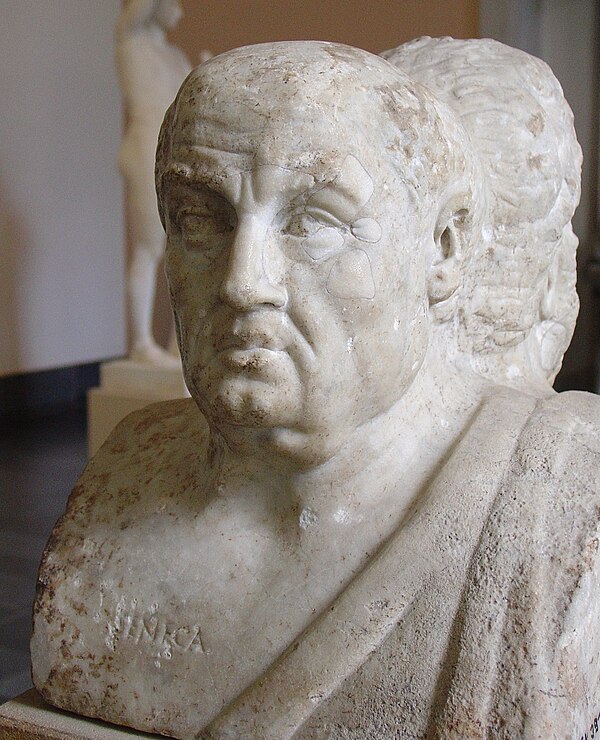
In the words of Seneca, "Restless men hurry over countries and seas, hating what they have, seeking what they have not." This poignant observation captures the essence of human discontent, illustrating how the relentless pursuit of what lies beyond our grasp often leads to a profound dissatisfaction with our current state. The stakes of this reflection are high; it invites us to examine the nature of our desires and the often-fruitless chase for fulfillment in external circumstances. In a world that glorifies ambition and constant movement, Seneca's wisdom serves as a gentle reminder to pause and reflect on the treasures that lie within our reach.
As we delve deeper into this quote, we uncover layers of meaning that resonate with the human experience. The restlessness Seneca describes is not merely a physical state of hurried travel but a spiritual malaise that afflicts many. It speaks to a universal condition: the tendency to overlook the beauty of our present lives while yearning for something perceived as better or more desirable. This discontent can lead to a cycle of perpetual dissatisfaction, where the journey becomes an escape from the very life we inhabit. Thus, Seneca's words compel us to confront our inner landscapes and question the motivations behind our pursuits.
The image / the metaphor
Seneca's imagery of "restless men" evokes a vivid picture of individuals in constant motion, traversing vast distances in search of elusive satisfaction. The verbs "hurry" and "hate" convey a sense of urgency and emotional turmoil, suggesting that these seekers are not merely travelers but rather individuals consumed by their desires. The contrast between "countries and seas" and the internal landscape of discontent highlights the futility of their quest. The restless men are depicted as prisoners of their own ambitions, unable to find peace in their current circumstances.
Diving deeper into the metaphor, we can see that the journey across "countries and seas" symbolizes the external pursuits we often engage in—whether they be career advancements, material possessions, or social status. Yet, the underlying message is that no matter how far we travel or how much we acquire, the root of our dissatisfaction lies within. This metaphor serves as a powerful reminder that true contentment cannot be found in external achievements but must be cultivated from within. The restless pursuit of what we do not have blinds us to the richness of our present reality.
In the speaker's tradition
Seneca's insights are deeply rooted in Stoic philosophy, which emphasizes the importance of inner virtue and the cultivation of a tranquil mind. Central to Stoicism is the concept of "apatheia," or the ability to remain undisturbed by external circumstances. This aligns closely with the idea of "dharma" in Eastern traditions, where fulfillment is found in living in accordance with one's true nature rather than chasing after transient desires. Both philosophies encourage a turning inward, advocating for a life of moderation and self-awareness as the path to genuine contentment.
In his "Letters," Seneca often reflects on the nature of happiness and the folly of seeking it in external sources. For instance, in Letter 9, he writes about the importance of self-examination and the need to cultivate a rich inner life. This resonates with the Buddhist concept of "sunyata," or emptiness, which teaches that clinging to desires leads to suffering. By recognizing the transient nature of our cravings, we can begin to appreciate the present moment and find peace in what we already possess.
Living the teaching
Consider a modern scenario where this teaching might resonate: a professional who constantly seeks promotions and accolades, believing that success will bring happiness. Despite achieving one milestone after another, they find themselves feeling unfulfilled and anxious, always looking ahead to the next goal. This relentless pursuit mirrors Seneca's "restless men," illustrating how the chase for external validation can overshadow the joy of present accomplishments. By reflecting on this teaching, the individual might begin to appreciate their current role, recognizing the value of their contributions and the relationships they have built along the way.
In a different context, imagine a relationship where one partner feels dissatisfied, constantly comparing their love life to idealized portrayals in media or the experiences of friends. This discontent can lead to a cycle of resentment and longing for what seems unattainable. By embracing Seneca's wisdom, they might shift their focus inward, cultivating gratitude for the unique qualities of their partner and the shared moments that define their bond. This practice of mindfulness can transform their perspective, allowing them to find joy in the present rather than yearning for an idealized version of love.
A reflection
As we contemplate Seneca's profound observation, we are invited to ask ourselves: "In what areas of my life am I seeking fulfillment outside of myself, and how might I cultivate contentment in the present moment?" This question encourages a deep introspection, prompting us to examine our desires and the motivations behind them. By embracing this inquiry, we can begin to unravel the threads of restlessness that bind us, paving the way for a more peaceful and fulfilling existence.




Join the BrightStar Community
Stay connected with daily inspiration, event announcements, and community wisdom