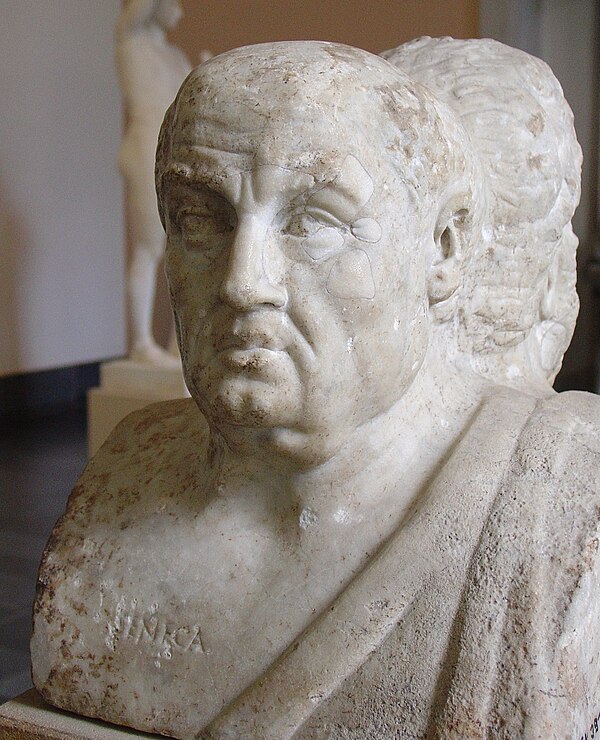
The Freedom of Learning in the Twilight of Life
Seneca's assertion that "to grow old learning is the only fitting work for a free man" invites us to reconsider the nature of aging and the pursuit of knowledge. In this statement, he emphasizes that true freedom is not merely the absence of constraints but the active engagement in lifelong learning. As we navigate the complexities of life, the process of learning becomes a vital endeavor that enriches our existence, allowing us to embrace the inevitability of aging with grace and purpose.
Moreover, Seneca's words challenge the conventional view of aging as a decline or a period of stagnation. Instead, he presents a vision of aging as an opportunity for growth and intellectual exploration. This perspective is particularly poignant in a society that often equates youth with vitality and wisdom with age. By framing learning as the work of a free man, Seneca invites us to cultivate a mindset that values curiosity and the pursuit of wisdom, regardless of our years.
The image / the metaphor
At the heart of Seneca's quote lies a vivid metaphor that juxtaposes the concepts of aging and learning. The imagery of "growing old" evokes a sense of time's passage, a natural process that all must endure. In contrast, the phrase "learning is the only fitting work" suggests an active engagement, a deliberate choice to pursue knowledge and understanding. The verbs chosen—"grow" and "learn"—imply a dynamic relationship between the individual and the world, where the act of learning becomes a means of asserting one's freedom in the face of life's inevitable changes.
Diving deeper into this metaphor, we can see that learning is not merely an intellectual exercise but a transformative journey that shapes our character and perspective. As we age, the accumulation of experiences and insights can lead to a richer understanding of ourselves and our place in the world. Seneca's assertion implies that the pursuit of knowledge is a lifelong endeavor that transcends the limitations of age, allowing us to continually redefine our identities and aspirations.
In the speaker's tradition
Seneca's philosophy is deeply rooted in Stoicism, a tradition that emphasizes the importance of virtue, wisdom, and self-control. Central to Stoic thought is the concept of living in accordance with nature, which includes the acceptance of aging as a natural part of life. This acceptance does not lead to resignation but rather encourages individuals to cultivate their inner resources through learning and reflection. In this context, the pursuit of knowledge becomes a form of dharma, or righteous duty, that aligns with the Stoic ideal of living a life of purpose and integrity.
Furthermore, Seneca's emphasis on learning resonates with the Stoic practice of *phronesis*, or practical wisdom. This concept encourages individuals to apply their knowledge in real-life situations, fostering a deeper understanding of themselves and the world around them. In his letters, Seneca often reflects on the importance of self-examination and the cultivation of wisdom, suggesting that the journey of learning is essential for personal growth and fulfillment. This aligns with the broader Stoic belief that wisdom is the highest good, guiding us toward a life of virtue and tranquility.
Living the teaching
Consider a modern scenario where this teaching can be applied: a retired individual who once defined their identity through their career now faces the challenge of finding purpose in retirement. Instead of succumbing to feelings of loss or stagnation, they embrace the opportunity to learn new skills, perhaps by taking up painting or studying philosophy. This active engagement in learning not only enriches their life but also fosters a sense of freedom, allowing them to redefine their identity beyond their professional achievements.
In another context, imagine a relationship where one partner feels stagnant, caught in the routine of daily life. By adopting Seneca's perspective, they can approach their relationship as a space for learning and growth. This might involve exploring new activities together, engaging in deep conversations about their dreams and fears, or even seeking couples' workshops that promote mutual understanding. In this way, the act of learning becomes a catalyst for revitalizing their connection, transforming challenges into opportunities for deeper intimacy and shared wisdom.
A reflection
As we contemplate Seneca's profound assertion, we are invited to reflect on our own relationship with learning and aging. How can we embrace the process of learning as a lifelong journey that enriches our lives and fosters our freedom? In what ways can we cultivate a mindset that values curiosity and growth, even as we navigate the inevitable changes that come with age? Let these questions guide your contemplation, encouraging you to seek wisdom and understanding in every stage of life.




Join the BrightStar Community
Stay connected with daily inspiration, event announcements, and community wisdom