EveryEvent PDX

Ver Todos los Events

Find every event in Portland

events

Concerts & Live Music
Festivals
Sports & Recreation
Food & Drink
Arts & Culture
Community
Family & Kids
Nightlife
Comedy
Theater
Destinos Populares
BaliSedonaLos AngelesCosta RicaNew YorkSan FranciscoAustinMiamiJoshua TreeTulum
Ver Todas las CategoríasVer Todos los Destinos

Explorar Todas las Características

Herramientas poderosas para hacer crecer tus eventos

Características de la Plataforma

Precios Dinámicos Inteligentes
Categorías de Entradas
Asientos Asignados
Recuperación de Carritos
Recuperación de Visitantes
Donaciones y Escala Móvil
Motor de Afiliados
Escáner de Entradas
Códigos de Cupón
Preguntas Personalizadas
Compartir Entradas
Ventas Adicionales
Análisis e Informes
Secuencias de Email
Lista de Espera / Notificar / Recordar
Explorar
Discovery HubArtists & PerformersVenuesKnowledge Base
Ver Todas las CaracterísticasSobre Nosotros
PreciosBlog
Ver Todos los Eventos

events

Concerts & Live MusicFestivalsSports & RecreationFood & DrinkArts & CultureCommunityFamily & KidsNightlife

Destinos Populares

BaliSedonaLos AngelesCosta RicaNew YorkSan Francisco

Explorar

Discovery HubArtists & PerformersVenuesKnowledge Base

Características de la Plataforma

Precios Dinámicos InteligentesCategorías de EntradasAsientos AsignadosRecuperación de CarritosRecuperación de VisitantesDonaciones y Escala MóvilMotor de AfiliadosEscáner de EntradasCódigos de CupónPreguntas PersonalizadasCompartir EntradasVentas AdicionalesAnálisis e InformesSecuencias de EmailLista de Espera / Notificar / Recordar
Ver Todas las CaracterísticasSobre Nosotros
PreciosBlog
Iniciar sesiónRegistrarseOrganizadores de Eventos
  • Browse All Events
  • Concerts & Live Music
  • Festivals
  • Sports & Recreation
  • Food & Drink
  • Arts & Culture
  • Community
  • Family & Kids
  • Nightlife
  • Todas las Categorías →
  • Seattle
  • Hood River
  • Bend
  • Oregon Coast
  • Mt. Hood
  • All Destinations →
  • For Promoters
  • For Artists
  • For Venues
  • For Festivals
  • For Event Spaces
  • For Nonprofits
  • For Bloggers
  • For Speakers
  • Brand Ambassador
  • Case Studies
  • Red de +350K Compradores
  • Recuperación de Carritos
  • Precios Dinámicos Inteligentes
  • Categorías de Entradas
  • Eventos Recurrentes
  • Asientos Asignados
  • Motor de Afiliados
  • Lista de Espera / Notificar
  • Escáner de Entradas
  • Widget Embebido
  • Todas las Características →
  • Acerca de
  • The Ecosystem
  • Blog
  • Glosario
  • Inspiration
  • Centro de Ayuda
  • Contacto
  • Documentación API
  • Recursos de Marca
  • Carreras
  • Prensa
  • Términos de Servicio
  • Política de Privacidad

Events

  • Browse All Events
  • Concerts & Live Music
  • Festivals
  • Sports & Recreation
  • Food & Drink
  • Arts & Culture
  • Community
  • Family & Kids
  • Nightlife
  • Todas las Categorías →

Getaways

  • Seattle
  • Hood River
  • Bend
  • Oregon Coast
  • Mt. Hood
  • All Destinations →

For Organizers

  • For Promoters
  • For Artists
  • For Venues
  • For Festivals
  • For Event Spaces
  • For Nonprofits
  • For Bloggers
  • For Speakers
  • Brand Ambassador
  • Case Studies

Características

  • Red de +350K Compradores
  • Recuperación de Carritos
  • Precios Dinámicos Inteligentes
  • Categorías de Entradas
  • Eventos Recurrentes
  • Asientos Asignados
  • Motor de Afiliados
  • Lista de Espera / Notificar
  • Escáner de Entradas
  • Widget Embebido
  • Todas las Características →

Empresa

  • Acerca de
  • The Ecosystem
  • Blog
  • Glosario
  • Inspiration
  • Centro de Ayuda
  • Contacto
  • Documentación API
  • Recursos de Marca
  • Carreras
  • Prensa
  • Términos de Servicio
  • Política de Privacidad
EveryEvent
© 2026 EveryEvent Portland. Todos los derechos reservados.
Inspire

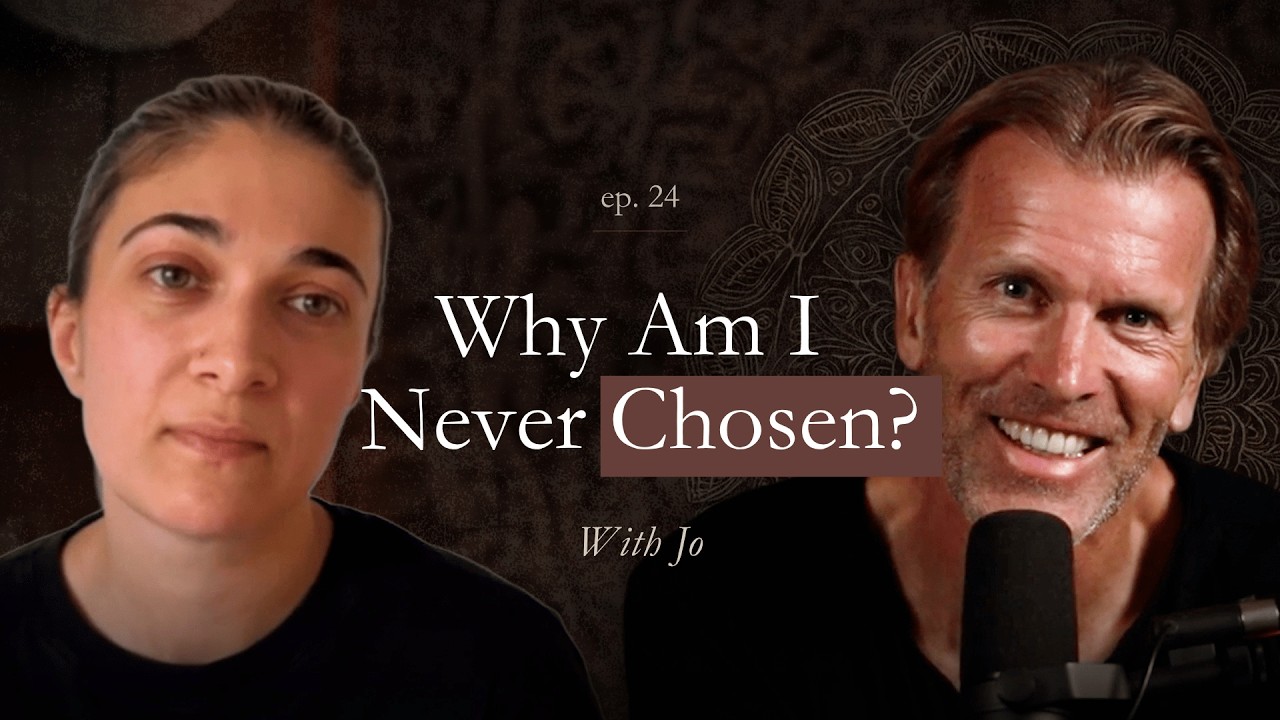
Infertility, Trauma, and theBody's Safety Response

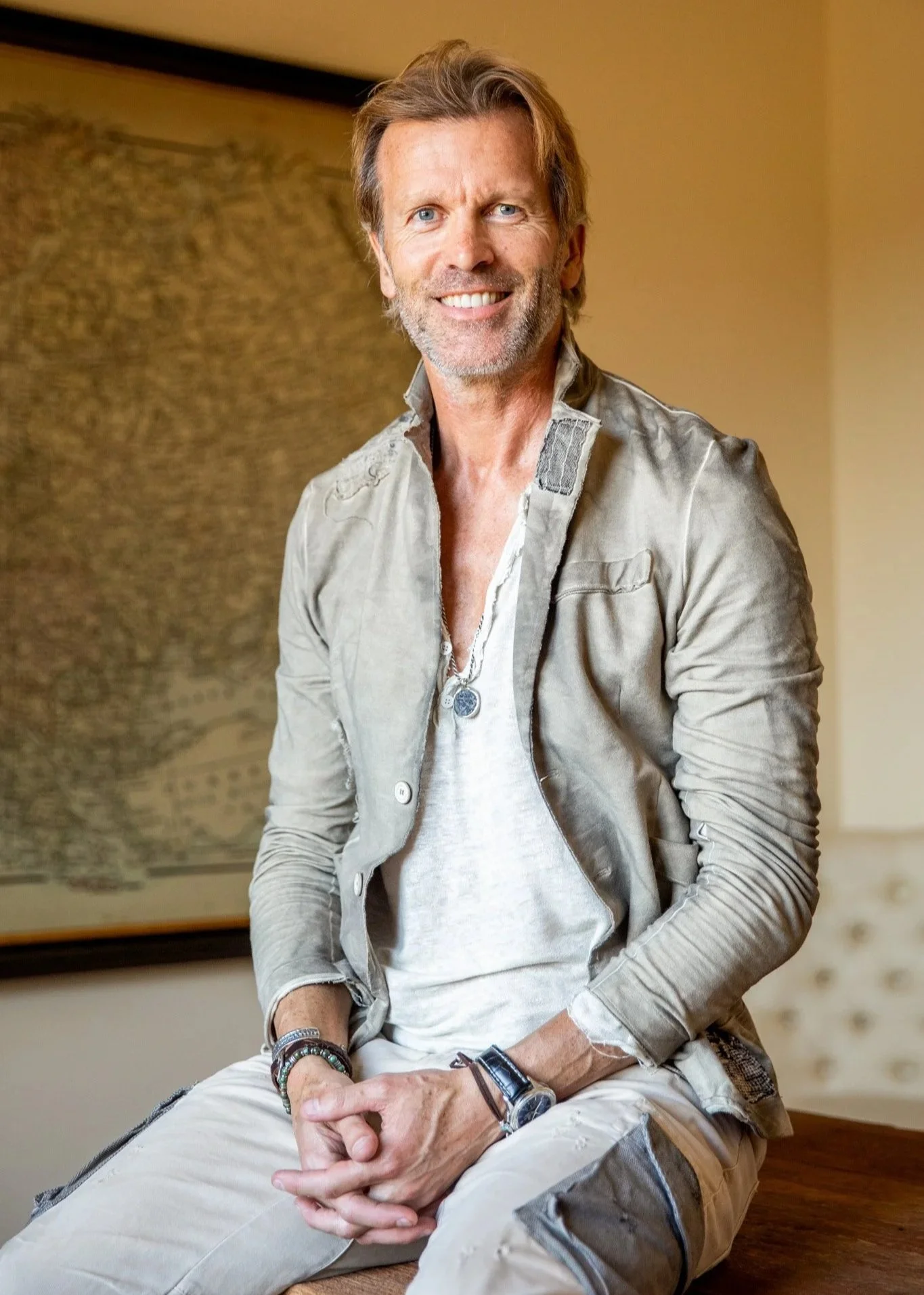
Peter Crone
Peter Crone
May 15, 2026
8 min read
Watch · 8
Read · 8 sections

What does infertility have to do with nervous system safety?

TLDR: Infertility often stems not from physical defects alone, but from a nervous system locked in a fear-based contraction. When a woman's body learned early that she wasn't safe—through sexual abuse, neglect, or survival trauma—her physiology literally shut down reproductive function. The path to conception requires dismantling the false beliefs that keep the body in a state of war: "I am not safe," "I am not important," "My needs don't matter," "This won't happen anyway." Peter Crone's work with women trying to conceive reveals that shifting these foundational assumptions can trigger measurable physiological change in weeks.

How do early trauma patterns lock fertility in the body?

The conversation opens with a woman seeking help with infertility. She has no cycle, does not ovulate, does not menstruate—a condition that began in childhood. At ages 11 or 12, after watching a television program about women with eating disorders, she made what she describes as a decision: to develop an eating disorder herself. She lost 25 pounds over a single summer. The motive was not vanity. It was recognition. "I felt neglected, and I was like, 'Oh, if I could get special attention from my mom, I would just die for that.' And it worked. When I got very very sick and got hospitalized, I got my mom's attention."

This pattern of using sickness as a bid for attention is crucial. The body learned early that pain and dysfunction were reliable pathways to being seen. The nervous system encoded this lesson: contraction = love. But there is more.

During the conversation, the woman discloses that she experienced sexual abuse for many years leading up to the eating disorder, beginning at ages 3 or 4. It was framed as "a game" by an older brother and father of a schoolmate, occurring after school. She did not realize until age 18 that what had happened to her was abuse.

Crone responds with visible compassion but then pivots to a therapeutic question: "Is it true as an absolute truth that you're not safe anymore?" The answer is no. Yet her nervous system—still operating as if that abuse could resume—has locked her body in a protective posture. The reproductive system shuts down when the brain predicts danger. This is not a failure of the woman's will or desire. This is physiology.

What happens when you release the "not safe" belief?

Crone guides her through a subtle but powerful shift. He asks her to notice the phrase "I'm not not safe"—a double negative that points toward safety without requiring her to claim false certainty. She repeats it: "I'm not not safe." He asks her to say it again, with more conviction. "I'm not not safe."

The shift is immediate. "If that's gone, you can't in this world as you function, as you walk around, you can no longer feel not safe anymore, what could become available for you?" She answers: "More relaxed, for sure."

Crone observes: "That right there I want you to consider as your physiology is going to shift automatically to that. We don't have to do anything. Your cycle is so much closer now to starting." The work is not willpower or positive thinking. It is the removal of a false premise that the nervous system no longer needs to defend against.

How does fear and worry reinforce infertility?

A second layer emerges. The woman admits to worry—constant daily worry that conception won't happen. Crone connects this to anatomy. "When you're in state of war or fear, what's your anatomy like?" She answers: "Tense and contracted."

He then shows her the loop: "So, now you've got all of these ways that you've created yourself as somebody who's not designed to have a cycle being reinforced by the fact that your brain is predicting that it's not going to happen anyway." She nods. "I'm doomed."

This is the compounding effect of trauma-based identity. The body has adapted to believe: "I am someone without a cycle. I am someone who cannot conceive." Then, daily worry reinforces that prediction. The nervous system receives a constant signal that says: this future is not safe, is not coming, cannot be trusted. And the body contracts further in response.

What's the difference between running from the past versus building the future?

Crone introduces a distinction that reframes the entire approach: "Most of you are trying to get away from a history that you don't like, versus working to a future that you consciously create. An entirely different way to live your life."

To illustrate, he shares the example of another couple he worked with. Their therapist and experts had told them to use visualization: "Imagine that you already have the baby and what that feels like." Crone rejected this approach. "I'm like, that's a crock of [ __ ] because you already feel like you're not going to have a baby and now you're being told imagine you are. Can you see it just doesn't work?"

Instead, he took them in the opposite direction. "First of all, you've got to take it to worst case scenarios. What if you can't have a baby? What if you never have? Could you be okay?" Only after the woman arrived at genuine acceptance—"Yeah, we really want it and it'll be beautiful, but I'll be okay"—did the nervous system release its grip. She imagined her body "as like one of those wine barrels" and felt "all the metal rings just burst." They conceived within the next week.

Can shifting beliefs about safety actually change fertility outcomes?

Crone shares a second case study with dramatic specificity. A couple—the wife trained in Ayurveda, the husband a Colombian raised in New Jersey—came to work with him. The husband had grown up as "the weird kid" with a different accent and skin color, constantly bullied, living in a threat-response state. Even his wife sometimes felt scared because of his hair-trigger temper.

Through Crone's work, the husband shifted his foundational beliefs. "He wasn't always in danger, and he wasn't going to be beaten up, and he could just calm his system." The couple conceived that night.

These are not isolated anecdotes. They are data points in a pattern: when the nervous system shifts from contraction to trust, fertility returns. One client gave birth at 52 after years of trying. Another conceived within a week of releasing her worst-case fear. Another conceived the night her husband resolved his threat-response state.

What are the core false beliefs keeping the body locked?

Crone synthesizes the woman's situation into a clear architecture of belief:

  • "Is it true that you're not safe?" No.
  • "Is it true that you're not important?" No.
  • "Is it true that your needs don't matter?" No.
  • "Is it true that you're not going to have a baby as a guarantee?" No, I don't know. No.

He emphasizes: "Right there, if that's all we got to tonight, your chances of having a baby are just exponentially through the roof, compared to how you arrived."

The power lies not in magical thinking but in the physiology of belief. A nervous system convinced it is not safe produces cortisol and adrenaline, which suppress reproductive hormone production. A body convinced it is unimportant does not build the biological infrastructure for pregnancy. A woman convinced her needs don't matter literally does not allocate resources to nurture life.

The woman feels this shift in real time. "I feel warmth in my belly." Crone responds: "That's literally energy that is like, 'Okay, you're ready to play. You want to do this?' Cuz you've been acting like a scared 11-year-old, and we have all the compassion in the world for her, but now it's time to be" an adult capable of holding space for new life.

Where to go from here

This conversation does not offer a medical cure for infertility. Rather, it maps the invisible architecture that often lies beneath it: the nervous system's interpretation of the world based on early trauma. For anyone struggling with conception, the question is not always "What am I doing wrong?" but "What is my body protecting me from?" The answer often reveals false beliefs held at the level of identity—beliefs so old and so woven into the fabric of who we think we are that we no longer see them as beliefs at all.

The pathway forward requires honesty about what you're running from and clarity about what you're running toward. It requires releasing the worst-case scenario not through denial, but through genuine acceptance of it. And it requires recognizing that a nervous system tasked with surviving childhood abuse cannot, at the same time, summon the resources for conception. Only when safety is established—felt, not merely understood—can the body release its ancient defensive posture and allow life to return.
Transcript

[0:00] I would like to be able to get pregnant.

[0:04] I don't offer that service. I don't

[0:06] >> [laughter]

[0:07] >> Too bad.

[0:08] >> I mean, what time do we wrap up?

[0:12] Can we at least grab coffee first?

[0:15] >> [laughter]

[0:16] >> Sorry. Yes, okay.

[0:17] >> It's okay. I don't have a cycle. I don't

[0:20] ovulate. I don't bleed. I had an eating

[0:22] disorder early on in my life, which

[0:24] obviously, when you're very very skinny,

[0:26] it it does this

[0:27] >> to disappear. Yeah. How old were you

[0:29] when that started? I believe I was 11 or

[0:32] 12 when I decided that I wanted to have

[0:35] a an eating disorder. And then I lost

[0:37] like 25 lb in over summer, you know, I

[0:40] just Yeah.

[0:40] >> Okay. And was there anything in

[0:42] particular you saw, you heard that

[0:44] inspired this decision to have an eating

[0:46] disorder? Yeah, I saw a a television

[0:49] program where there were women who had

[0:51] eating disorders. Okay. And what was it

[0:53] about watching that show that triggered

[0:55] the inspiration? Feeling special. I felt

[0:59] neglected, and I was like, "Oh, if I

[1:01] could get specially my mom's

[1:02] recognition, I would just I would die

[1:04] for that." And it worked. When I got

[1:06] very very sick and I got hospitalized, I

[1:08] got my mom's attention. Yeah. And so,

[1:11] for me, she's this woman who is

[1:14] nonetheless energetically still in the

[1:16] child's body, which is not her fault,

[1:19] but it gives us access to like what

[1:20] might be going on here. How would you

[1:23] describe that as an experience, how you

[1:25] felt in that house with your own

[1:27] biological parents?

[1:29] Disgusting.

[1:31] Disgusting? Like, did you really feel

[1:33] that? I was sexually abused for many

[1:36] years leading up to my eating disorder.

[1:38] Yeah, I'm sorry.

[1:40] It was introduced to me so early on in

[1:43] my life that it was introduced as a

[1:45] game. Um and I was 18 before I realized

[1:49] that

[1:50] Okay.

[1:51] >> a game.

[1:52] And how old were you when you started?

[1:55] Three or four years old when it started.

[1:57] >> And so, this was happening somewhere

[1:59] outside of the house. It was after

[2:00] school. Yes, after school with a

[2:02] girlfriend. It was her older brother and

[2:05] her dad and

[2:06] yeah. I'm sorry. I'm going to just come

[2:08] and give you a hug first of all. No,

[2:10] thank you.

[2:12] This is This is a lot.

[2:14] Thank you for your courage.

[2:16] Yeah.

[2:18] What you've been through no child should

[2:19] ever go through, right? If I was your

[2:21] father and I knew what was going on, I'd

[2:23] probably be in jail for what I would

[2:25] have done to that other family. But if

[2:28] you look at it today, is it true as an

[2:30] absolute truth that you're not safe

[2:32] anymore?

[2:34] No. It's not It's not a truth, right?

[2:37] So just in your body right now, just see

[2:39] can you feel anything shift if you

[2:41] recognize to say

[2:44] I'm not not safe. Just say that. I'm not

[2:48] not safe.

[2:50] Say it again. I'm not not safe.

[2:52] >> I'm not not safe.

[2:54] If that's gone, you can't in this world

[2:57] as you function, as you walk around, you

[2:59] can no longer feel not safe anymore,

[3:03] what could become available for you in

[3:04] the way that you might feel?

[3:06] More relaxed, for sure. Okay. That right

[3:09] there I want you to consider as your

[3:11] physiology is going to shift

[3:12] automatically to that. We don't have to

[3:14] do anything. Your cycle is so much

[3:16] closer now to starting.

[3:18] Hopefully not right now, but you know.

[3:21] That would be [laughter] great.

[3:23] She's like, bring it on. Yes. At this

[3:25] point I don't care.

[3:27] >> [laughter]

[3:29] >> Is it an absolute truth that you are not

[3:31] safe? No. It's not, is it?

[3:33] >> No. Great. Do you see there's a little

[3:35] bit more fortitude in that response,

[3:36] right? It's becoming more of a reality.

[3:38] We're literally re-wiring as we speak.

[3:40] But the other assumption that you had

[3:42] when you stood up to our take the mic is

[3:45] that it's not going to happen.

[3:47] Oh yes, for sure. I mean I'm I'm worried

[3:49] about it every single day that it's not

[3:50] going to happen. When you're in state of

[3:52] war or fear, what's your anatomy like?

[3:54] Tense and contracted.

[3:57] Yeah. Right? Yeah. So, now you've got

[3:59] all of these ways that you've created

[4:01] yourself as somebody who's not designed

[4:03] to have a cycle being reinforced by the

[4:05] fact that your brain is predicting that

[4:07] it's not going to happen anyway.

[4:09] Do you see? Yeah, I'm doomed. Totally. I

[4:12] mean, [laughter] I was going to use the

[4:13] word [ __ ] but Yeah, yeah, okay.

[4:15] seemed more appropriate to the

[4:16] conversation.

[4:17] >> Yeah, okay.

[4:17] >> [laughter]

[4:18] >> I literally just helped this couple who

[4:20] were up in um Santa Barbara. She gave

[4:22] birth at 52.

[4:24] Holy [ __ ] And they've been trying

[4:26] forever.

[4:27] And I left her a voice memo. I still

[4:29] have it on here somewhere. Like she was

[4:31] doing all the things and, you know, she

[4:32] got all these experts, try this, imagine

[4:34] that you already have the baby and what

[4:36] that feels like. And I'm like, that's a

[4:37] crock of [ __ ] because you already feel

[4:39] like you're not going to not going to

[4:40] have a baby and now you're being told

[4:42] imagine you are.

[4:43] Can you see it just doesn't work? And I

[4:45] said, "No, first of all, you've got to

[4:47] take it to worst case scenarios. What if

[4:48] you can't have a baby? What if you never

[4:50] have? Could you be okay?"

[4:52] And she got to the place of like, "Yeah,

[4:54] we really want it and it'll be

[4:55] beautiful, but I'll be okay." And I took

[4:57] her through this process and she she

[4:59] said she just imagined her body as like

[5:01] one of those wine barrels and she said

[5:04] it just felt like all the metal rings

[5:06] just burst.

[5:08] And literally they conceived like within

[5:10] that next week. My better story is like

[5:12] this husband and wife um

[5:15] just setting the tone here for the when

[5:16] we you come back next month and you're

[5:18] pregnant or whatever it is.

[5:20] Um

[5:21] the the wife I'd worked with me, she was

[5:23] an incredible woman who did a lot of

[5:24] Ayurveda work and the husband,

[5:26] Colombian, grew up in New Jersey. He was

[5:28] the weird kid because he had a different

[5:30] accent, different skin, you know, he

[5:31] didn't fit in. And so, he was always

[5:33] like looking for basically threat

[5:35] responses. He was going to be he was

[5:36] bullied, right? And so, she even as a

[5:39] wife was like scared sometimes cuz he

[5:40] had a little bit of a temper. He would

[5:42] get angry. So, he came to work with me

[5:45] and we worked through that and helped

[5:46] him see that, you know, that wasn't

[5:48] always in danger, and he wasn't going to

[5:50] be beaten up, and he could just calm his

[5:51] system. And they conceived that night.

[5:55] I mean, how's that, right? So, I'm just

[5:57] just saying. I uh uh

[6:00] You might want to As soon as we're done,

[6:01] if you guys want to leave, it's

[6:03] it's okay.

[6:04] But, anyway, so, first of all, we done

[6:07] some of the underlying foundational work

[6:09] that created your identity, which to me

[6:10] energetically makes sense that you're

[6:12] still trapped in the body of a like 11

[6:14] 12-year-old. Therefore, you have a

[6:16] cycle, combined with you're not safe

[6:18] tension, you're not important, shut that

[6:21] down, you don't like men, or you're

[6:22] scared of men, and your needs don't

[6:23] matter. All of it just compiles to

[6:26] there's no way that that human body

[6:28] would have a cycle, right? Clean that

[6:30] up, none of that's true. Now, we got to

[6:33] look at the other contributing factor,

[6:34] which is you just said the word worry. I

[6:36] was going to say fear. But, if I told

[6:38] you that you find out that you're

[6:39] pregnant in 12 weeks, how would you feel

[6:42] right now? Although, your face told me

[6:44] everything. Very, very happy, and

[6:46] elated, and I got to change my life, and

[6:48] step up.

[6:49] >> Yeah. But, that would be preparation,

[6:51] right? So, again, most of you are trying

[6:52] to get away from a history that you

[6:54] don't like, versus working to a future

[6:56] that you consciously create. An entirely

[6:58] different way to live your life. So, is

[7:00] it true that you're not safe? No. Is it

[7:03] true that you're not important? No. Is

[7:05] it true that your needs don't matter?

[7:07] No. And is it true that you're not going

[7:09] to have a baby as a guarantee?

[7:12] No, I don't know. No.

[7:14] Right there, if that's all we got to

[7:15] tonight, your chances of having a baby

[7:18] are just exponentially through the roof,

[7:19] compared to how you arrived.

[7:22] Can you see that?

[7:22] >> Yeah. How does that feel in your body?

[7:27] I feel warmth in my belly.

[7:29] >> Immaculate conception. I do some

[7:32] >> [laughter]

[7:34] >> I can do some pretty weird [ __ ] but

[7:35] that would be a first.

[7:37] >> [laughter]

[7:40] >> But, you feel that? Like the the uh

[7:42] that's literally energy that is like,

[7:44] "Okay, you're ready to play. You want to

[7:45] do this?" Cuz you've been acting like a

[7:47] scared 11-year-old, and we have all the

[7:49] compassion in the world for her, but now

[7:51] it's time to be this 36-year-old,

[7:53] beautiful, abundant, free, open, relaxed

[7:56] woman

[7:57] who's ready to usher in another being

[8:00] onto this planet.

[8:03] You feel that?

[8:04] >> Yeah, that's a beautiful way of putting

[8:07] it. You are preparing for a being that's

[8:09] waiting for you to, quote unquote, let

[8:12] go of your lies.

[8:14] Oh, yeah.

[8:15] Sound good?

[8:16] >> Yes, sounds good. All right, thank you

[8:18] so much.

[8:19] >> Thank you.

[8:19] Thank you so [applause] much.

Peter Crone
AuthorPeter Crone

Watch more from Peter Crone on YouTube.

View profileWebsite
Explore Topics
InfertilityTrauma-healingNervous-systemFertilityChildhood-trauma

Got Questions?

Frequently Asked Questions

Yes. When the nervous system interprets the body as unsafe due to trauma, it suppresses reproductive hormones and shuts down menstrual function as a protective mechanism. The body prioritizes survival over reproduction. Shifting foundational safety beliefs can restore hormonal and menstrual function without medical intervention.
Positive visualization (imagining you already have the baby) often fails because it conflicts with the nervous system's actual prediction that conception won't happen. Crone's approach first requires releasing the worst-case scenario and achieving genuine acceptance, which allows the nervous system to relax and open—the true precondition for conception.
Trauma encodes the belief that the body is unsafe or unworthy. A nervous system locked in fear-based contraction suppresses reproductive function. Additionally, trauma survivors may unconsciously reinforce identity beliefs like 'I'm not important' or 'My needs don't matter,' which the body reflects in physiology, including fertility.
Crone's case studies show that when women and couples release false safety beliefs and shift from a fear-based to a trust-based nervous system state, conception often follows within weeks. This is not magic but neurobiology—a relaxed nervous system restores the hormonal environment necessary for reproduction.
It's a double negative that creates an opening without requiring false certainty. Instead of claiming 'I am safe' (which the traumatized nervous system may reject), it removes the active belief in danger. This subtle linguistic shift allows the body to release its protective contraction.
No. Crone's work addresses the nervous system and belief patterns that often underlie or complicate infertility. It complements rather than replaces medical investigation and treatment. The cases shared suggest that nervous system work can restore function even when medical causes are not present.

Continue Reading

More on Inspire

View All
Identity Wounds & Self-Imposed Healing: Why Fixing Yourself Deepens Suffering
Inspire

Identity Wounds & Self-Imposed Healing: Why Fixing Yourself Deepens Suffering

Explore why every addiction masks an identity wound, and how the pursuit of healing perpetuates the belief that something is broken in you.…

1 min read
Releasing Trapped Emotion After Trauma and Surgery
Inspire

Releasing Trapped Emotion After Trauma and Surgery

How unprocessed emotions from childhood abandonment resurface during physical and psychological crises, and why safe spaces allow deep emoti…

1 min read
What You're Seeking Is Already Within You
Inspire

What You're Seeking Is Already Within You

The objects we pursue are not what we actually want—we chase them for the experiences they promise. But those experiences already exist with…

1 min read
Resistance to Life: How Perspective Creates Suffering
Inspire

Resistance to Life: How Perspective Creates Suffering

Life resistance stems from the belief that your current circumstances are unacceptable. Peter Crone explains how perspective, not circumstan…

1 min read

Keep exploring

Continue your journey

More wisdom and gatherings from across the BrightStar directory.

More Articles

Browse the full library of teachings, interviews, and guides.

Back to all articles →

Teachers & Artists

Explore the lineages, musicians, and guides of the conscious world.

Explore artists →

Find an Event

Kirtan, retreats, sound baths, breathwork, festivals — happening soon.

Browse events →
Read more from BrightStarCreate Free Account
Host your own gatherings?Try the Demo